Korean Home Decor Trends to Try in 2026
Korean interior design has quietly become one of the most influential aesthetics in global home decor — and in 2026, its influence is stronger than ever. Blending the clean lines of Scandinavian minimalism with distinctly Korean warmth, practicality, and a love of nature, Korean home decor creates spaces that feel both polished and genuinely liveable.

The K-Design Aesthetic: What Sets It Apart
Korean home decor shares some DNA with Japandi and Nordic styles but has its own distinct character. It tends to be slightly more refined and color-forward than Japanese minimalism, and warmer and more nature-connected than Scandinavian style. There’s also a strong practicality to Korean design — furniture is multifunctional, storage is always considered, and small apartments are treated as worthy of just as much design attention as large ones.
The rise of Korean interior content on platforms like Pinterest and social media has introduced global audiences to concepts like sunlight-filled rooms, nature-forward greenery, and that particular shade of warm creamy white that seems to feature in every aspirational Korean apartment.
The Color Palette: Warm Whites and Earthy Accents
The foundation of Korean interior design in 2026 is a warm white or cream base — not stark white, but the creamy, slightly warm tone that reflects morning light beautifully. From there, accents come from earth tones: warm beige, caramel wood, soft sage, dusty blush, and the occasional deep olive or terracotta.
One trend to note this year is the return of greige (grey-beige) as a wall color — it pairs beautifully with natural wood and creates a sophisticated backdrop without the coldness of grey or the blandness of plain beige.
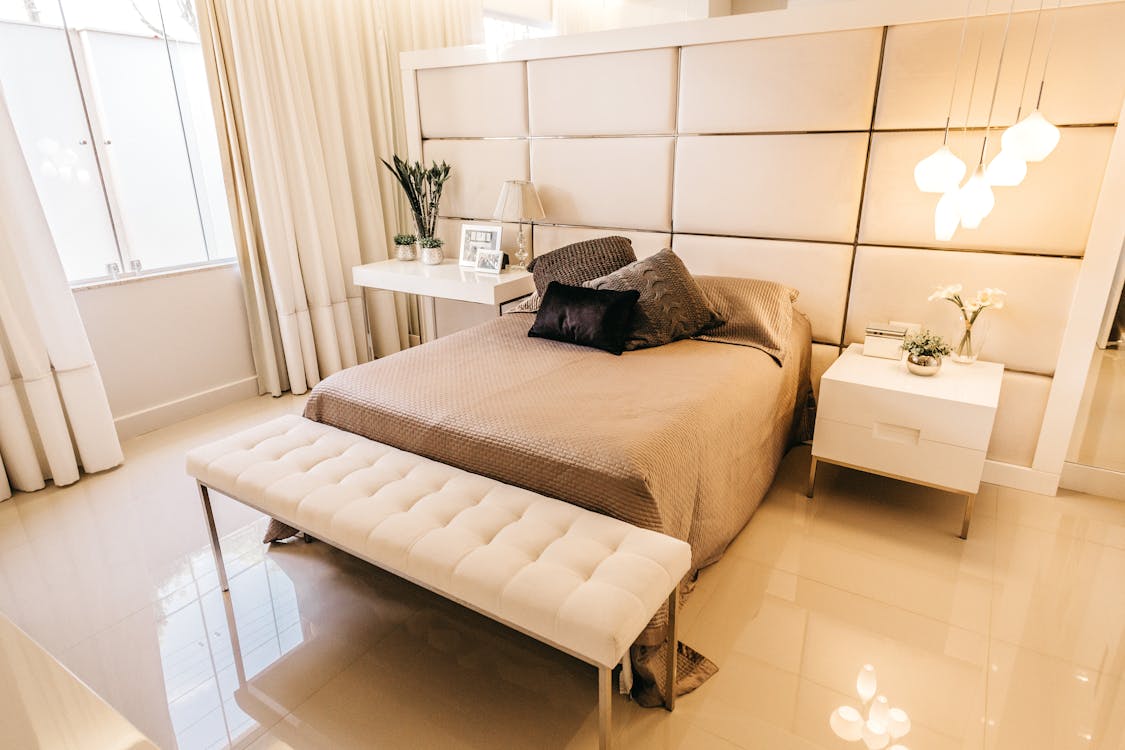
💡 Quick Tip: Layer two or three shades of the same neutral family rather than mixing many different colors. Korean interiors achieve depth through tone variation, not color contrast.
Furniture: Functional and Refined
Korean home furniture is chosen for both its form and its function. Popular choices include low-profile sofas with clean lines in linen or bouclé, rounded coffee tables in light wood or travertine, and multifunctional storage furniture that keeps everyday items out of sight.
The rounded silhouette trend that emerged a few years ago is still strong in Korean interiors — rounded sofas, oval coffee tables, and arched mirrors all soften the geometry of modern apartments. This is one of the most accessible trends to adopt, as a single curved mirror or table can change the feel of a whole room.
Plants: More Is More (But Make It Curated)
Unlike the strict minimalism of Japanese design, Korean home decor embraces plants generously. A statement fiddle-leaf fig in the corner, a trailing pothos on a floating shelf, a cluster of small succulents on the windowsill — greenery is treated as a design element, not just a living accessory.
The key is choosing the right pots. Matte ceramic in white, cream, sage, or terracotta keeps the plant collection feeling cohesive rather than chaotic. Matching pot styles in varying sizes creates a collected look rather than a cluttered one.

Lighting: Soft, Layered, and Warm
Korean interior lighting favors warmth and layering over single overhead sources. A combination of pendant lights, floor lamps, and table lamps creates different lighting zones for different times of day. The warm glow of evening lighting is as important as the natural daylight of morning.
Paper or linen lamp shades are favored for their soft diffusion. Exposed filament bulbs in warm amber temperatures (2700K–3000K) suit the aesthetic perfectly. Avoid cool or blue-toned LED lighting — it clashes with the warm palette and disrupts the cozy atmosphere Korean design aims to create.
The “Clean Corner” Principle
One practical principle from Korean home decor worth adopting is what interior designers sometimes call the clean corner: always keep at least one corner or surface in any room completely clear. In a styled Korean home, even as plants, books, and ceramics fill shelves, there’s always a deliberate empty space — a breath in the composition that keeps the room from feeling crowded.
Apply this to your own space: for every surface you style, leave one equal surface empty. The contrast makes both feel more intentional.
Korean home decor succeeds because it refuses to choose between beauty and practicality. In 2026, as more people look for homes that genuinely support daily life without sacrificing aesthetics, this philosophy feels more relevant than ever.