Japanese Minimalist Bedroom Ideas for Small Spaces
Small bedrooms often feel like a problem to solve. But in Japanese design philosophy, a compact room isn’t a limitation — it’s an invitation to be intentional. Japanese minimalist bedroom design turns constraint into elegance, and the approach works beautifully whether you’re working with 100 square feet or 300.
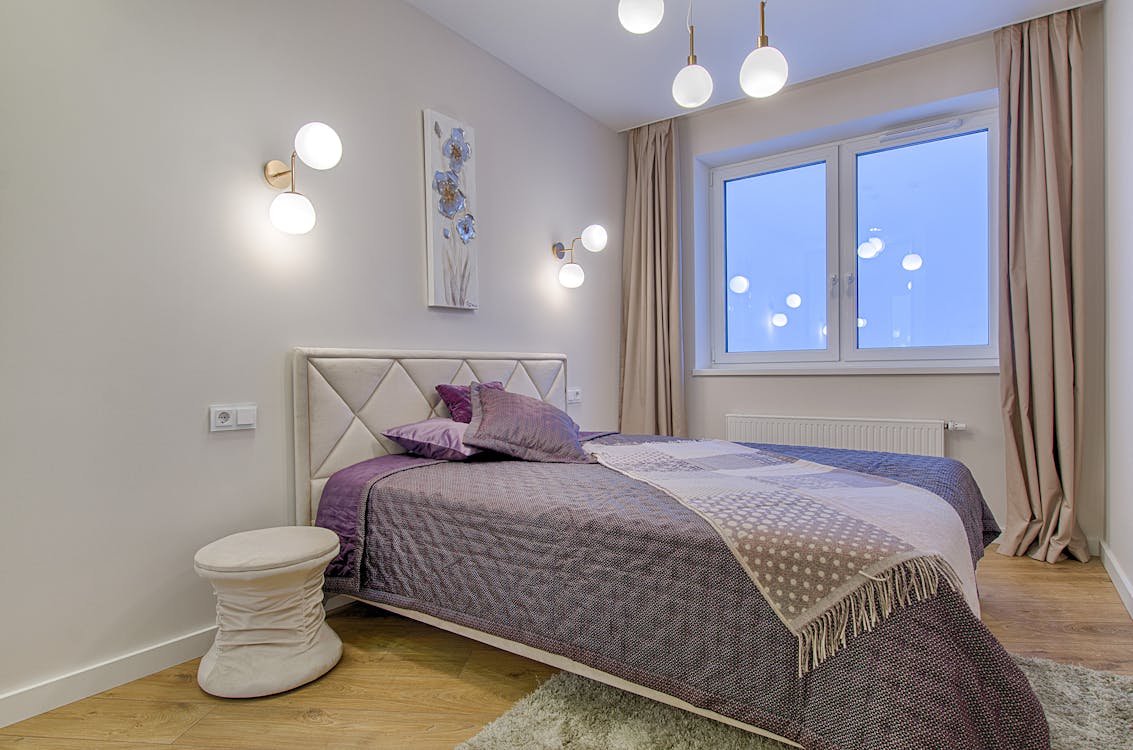
The Philosophy Behind the Style
Japanese interior design is rooted in the concept of ma — the idea that empty space is not absence, but presence. It’s what allows a room to feel restful rather than overwhelming. Combine that with wabi-sabi (the beauty of imperfection and natural materials) and you get a bedroom aesthetic that actively promotes sleep, calm, and clarity.
This is especially powerful for small spaces, because the principles naturally prevent overcrowding. You buy less, display less, and end up with more room to breathe — literally and mentally.
Start with the Bed: Go Low
The most recognizable element of a Japanese bedroom is the low bed frame. Platform beds that sit close to the floor create a grounded, stable energy in the room. If you want to go further, a traditional tatami mat directly on the floor with a foldable futon is the original Japanese solution — it frees up the entire floor during the day.
In either case, keep the bedding simple. White or off-white linen, a single lightweight duvet, and one or two pillows. The bed should look like a place for deep sleep, not a styled photoshoot.
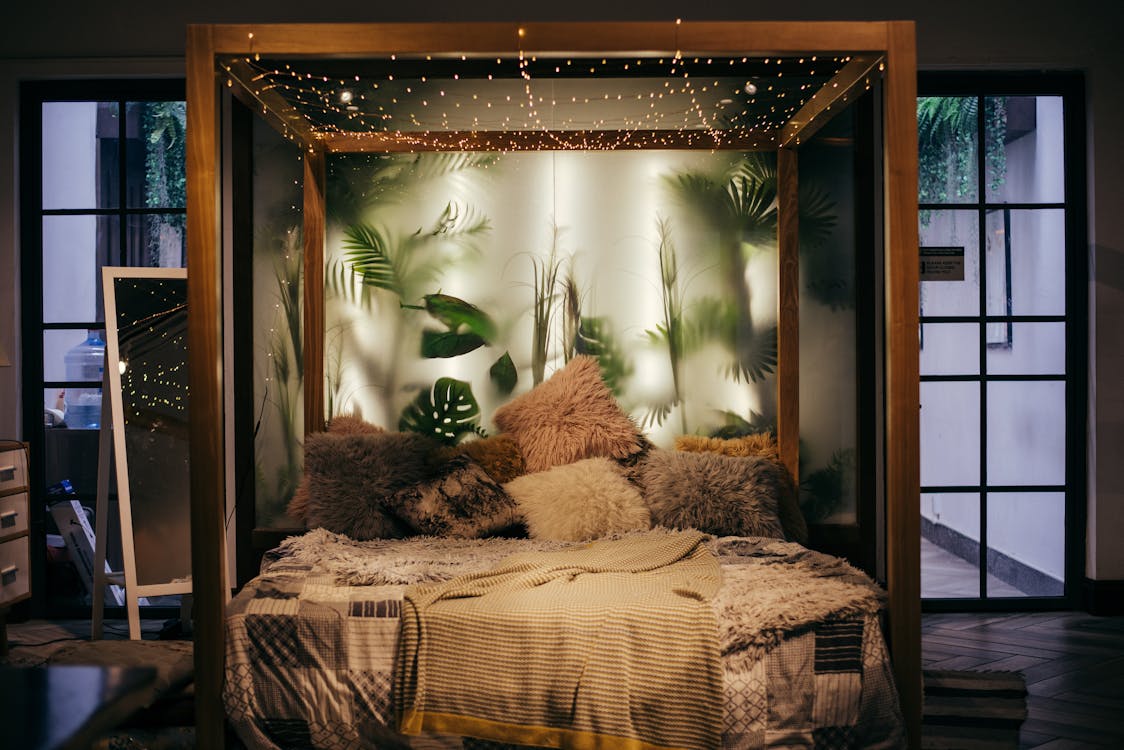
💡 Quick Tip: Resist the urge to add extra throw pillows. In Japanese minimalist design, the bed is kept simple to signal its purpose: rest.
Colors: Stay Inside the Earth’s Palette
For walls, white or very light warm grey is your safest starting point — they reflect light, making the room feel larger. From there, add depth through natural materials: a light wood headboard, a woven rattan storage basket, a terracotta clay vase on the windowsill.
If you want an accent, reach for nature: moss green, dusty clay, sand, or charcoal. These are found throughout Japanese design and never clash with each other. Avoid anything bright or synthetic-looking.
Storage That Disappears
Hidden storage is non-negotiable in a small Japanese bedroom. The goal is surfaces with nothing on them. Under-bed drawers, a minimal closet system with sliding doors (shoji-style if possible), and a single low nightstand with one drawer. That’s all you need.
If you must display something, make it a single intentional object: a small ceramic pot with one branch of dried pampas grass, or a stack of three books with clean spines. One thing, done well, beats ten things done casually.

Natural Elements and Soft Light
Wood, bamboo, stone, and natural fibers are the materials of Japanese interiors. In the bedroom, a bamboo or light wood nightstand works better than lacquered or metal alternatives. A jute or seagrass rug beside the bed adds warmth underfoot without visual noise.
For lighting, avoid overhead LED panels. A paper lantern-style pendant or a simple wooden arc floor lamp gives soft, diffused light that signals the brain to wind down. Add a dim bedside lamp if you read before sleep.
Keep the Floor Visible
This is the rule that separates true Japanese minimalism from just owning less stuff. In a Japanese bedroom, you should be able to see a large portion of the floor. It creates a visual sense of space that no amount of clever decorating can replicate. If furniture is blocking your view of the floor from the doorway, see what can be removed or reorganized.
The more floor you can see, the more spacious the room feels — regardless of its actual dimensions. This is the secret that makes small Japanese bedrooms look so effortlessly large in photos.

The Japanese minimalist bedroom is not about sacrifice — it’s about curation. Every element you keep should genuinely earn its place. The payoff is a room that feels bigger, calmer, and genuinely restorative every time you walk into it.