Zen Living Room Ideas: Create a Calm Space at Home
The living room is the room that takes the most from us: it’s where we decompress after work, entertain friends, watch too much TV, and try to relax. It’s also often the most cluttered room in the home. A zen living room is the antidote — a space intentionally designed to calm the nervous system rather than stimulate it. Here’s how to create one in 2026.
Understand the Goal Before You Start
A zen living room is not just a minimalist living room with some cushions. It’s a space designed with a specific function in mind: restoration. Every design decision should be filtered through one question: does this help me relax, or does it ask something of me?
Clutter asks something of you — it signals unfinished business. Bright colors stimulate. Screens demand attention. Hard, echoing surfaces make rooms feel agitated. A zen room reduces all of these inputs and replaces them with things that ask nothing: soft surfaces, natural materials, diffused light, and breathing space.
Clear First, Decorate Second
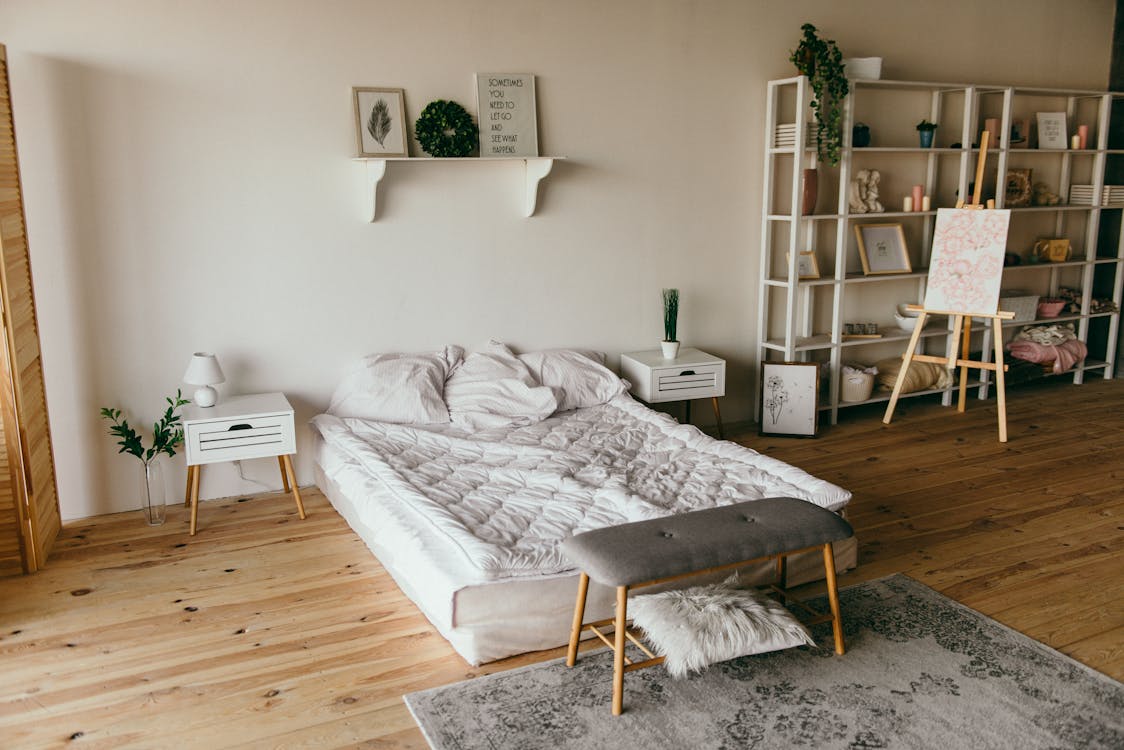
Before you buy a single new thing, remove. Walk through your living room and identify everything that has no clear purpose or that you don’t genuinely love. The books you’ll never re-read, the decorative objects that feel more like obligation than joy, the extra throw pillows, the tangled cables, the items that ended up there because they had nowhere else to go.
A room cleared of excess is already more zen. You may find that after clearing, you need to buy very little to reach the atmosphere you want.
💡 Quick Tip: Before adding any new decor, try living with your cleared-out room for a week. You’ll quickly learn which additions the room genuinely needs versus which ones you were reaching for out of habit.
Choose a Calming Palette
Zen living room color palettes draw from nature in its quieter moments: the grey of morning mist, the warm white of sea-worn stone, the soft green of moss, the brown of tree bark. These are colors that don’t demand attention — they recede and let the room breathe.
White is the most obvious choice, but warm white rather than cool or stark. Add depth through wood tones, a natural fiber rug in oatmeal or sand, and one soft accent color — sage, dusty blue, or muted terracotta — used in textiles only.
Furniture: Necessary, Comfortable, and Natural
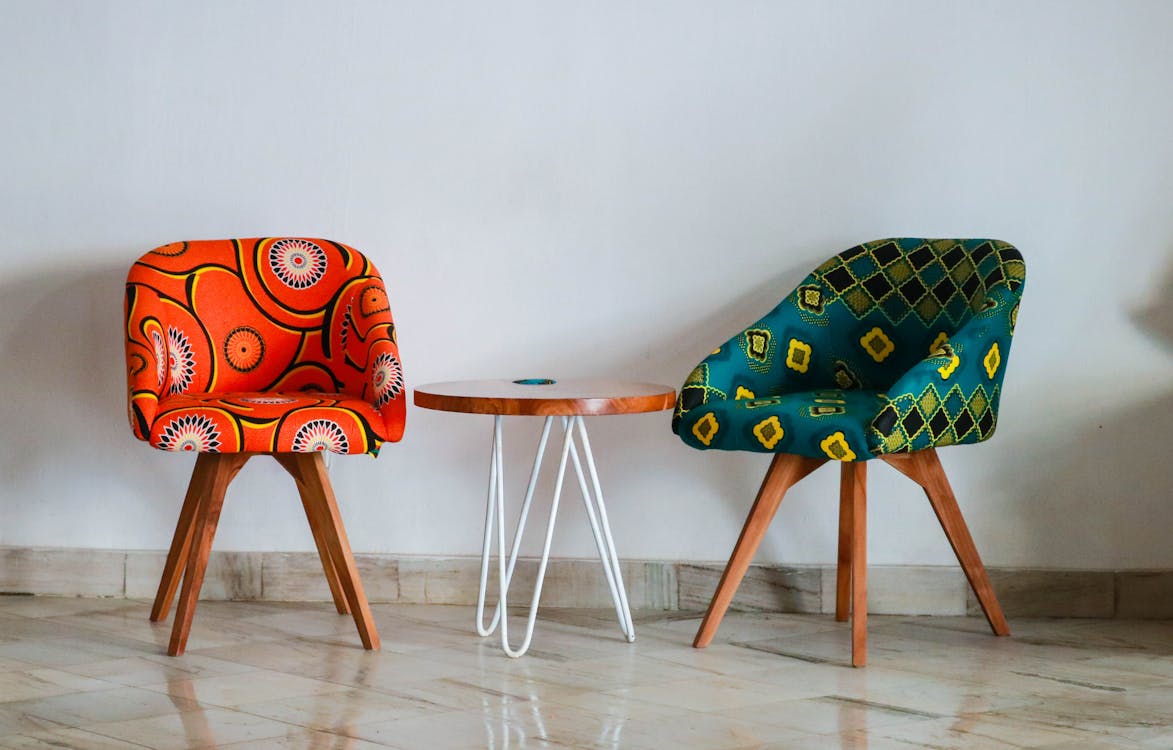
A zen living room needs very little furniture: a sofa you genuinely love to sit in, a coffee table, and perhaps one additional seating option. That’s often it. The sofa should be comfortable first — zen is not about aesthetic suffering. Low profiles work well, as do sofas with removable cushions in natural linen or cotton that can be washed and kept fresh.
Floor seating — cushions, a low chair, meditation pillows — is an excellent addition if you genuinely use it. Sitting at floor level has a naturally grounding, calming effect. A low wooden platform for seating or a zazen-style meditation cushion in a corner creates a dedicated restoration zone within the room.
Light: The Most Underrated Element
Lighting transforms mood more than almost any other design element, and most living rooms get it wrong by relying on a single overhead source. For a zen living room, layer your lighting: a floor lamp in the corner, a table lamp on the side table, candles (or candle-like LED alternatives) for evening hours.
The goal is to move from bright, evenly lit (which signals alertness) to pools of warm, gentle light (which signals relaxation) as the evening progresses. A dimmer switch on any overhead light is one of the highest-ROI changes you can make for a modest cost.
Sound and Scent: The Often-Forgotten Senses
Zen spaces engage more than just vision. Consider the acoustics of your living room — a room with rugs, cushions, curtains, and soft furniture absorbs sound rather than bouncing it, which immediately feels calmer. Hard-surfaced rooms echo and feel agitated even when visually minimal.
Scent matters too. A simple reed diffuser or a clean-burning soy candle in a natural fragrance — cedar, sandalwood, hinoki, or eucalyptus — adds a layer of calm that you feel before you consciously notice it. These are small touches, but they shift the atmosphere of a room meaningfully.
One Natural Element, Chosen Well
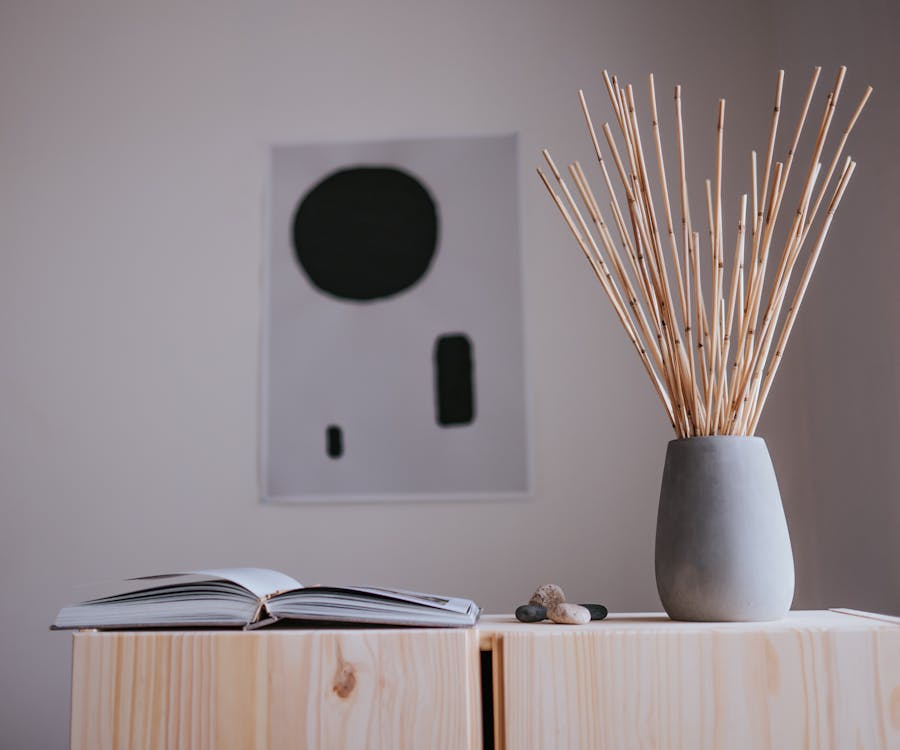
Every zen living room benefits from one living element: a plant, a vase of dried botanicals, a bowl of smooth stones, or a small water feature. These natural elements ground the space in something real and unchanging. They don’t need to be many — one large, healthy plant in a beautiful pot does more than five mediocre ones.
The plant you choose matters less than the health and placement. A thriving plant in a beautiful pot, given proper light, adds more to a zen room than any styled shelf of objects ever could.
Creating a zen living room is ultimately an act of intention — deciding what the room is for and designing everything around that purpose. In 2026, when the demands on our attention have never been greater, a room designed to restore rather than stimulate might be the most valuable thing in your home.