Bamboo Furniture: Pros, Cons, and Best Picks for 2026
Bamboo has moved well beyond garden screens and cutting boards. In 2026, bamboo furniture is appearing in living rooms, bedrooms, and home offices as a credible, stylish alternative to both solid wood and synthetic materials. But is it right for your home? Here’s an honest look at the pros, cons, and best picks this year.
Why Bamboo Is Having a Moment in 2026
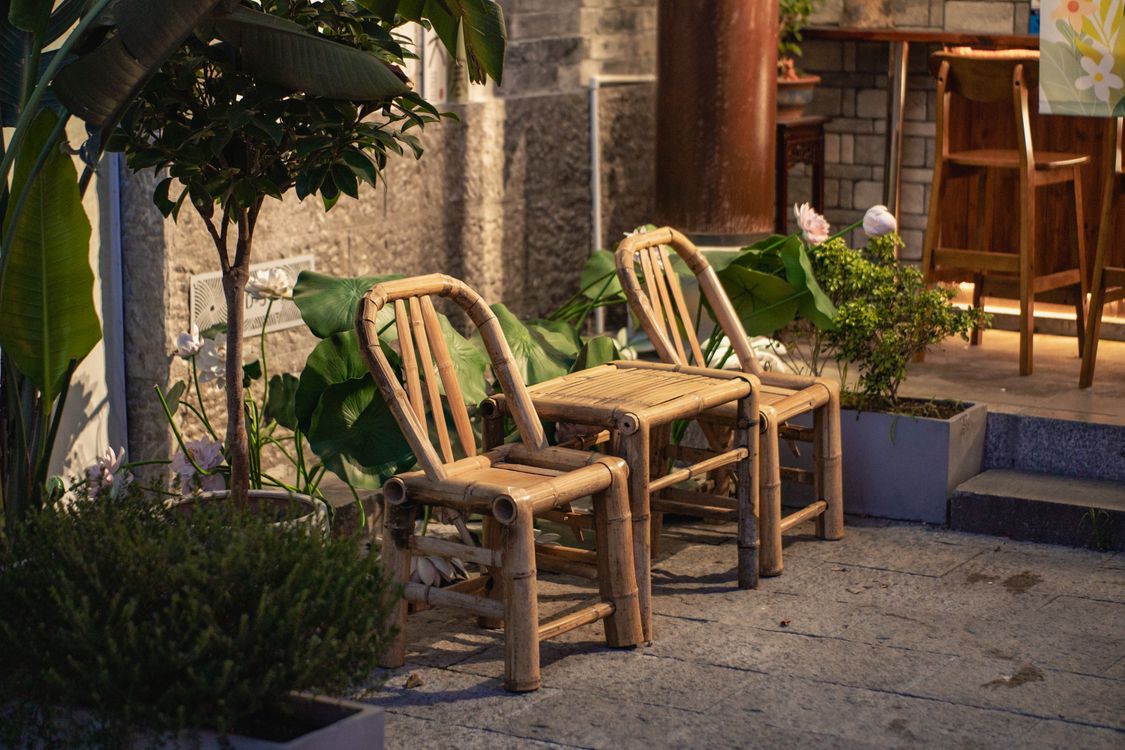
Bamboo isn’t new, but its place in contemporary interior design has never been stronger. Several factors have converged: growing interest in sustainable materials, the popularity of biophilic design (bringing nature indoors), and improvements in bamboo processing that have made modern bamboo furniture more durable and refined than previous generations.
It also fits perfectly into the dominant aesthetics of 2026 — Japandi, wabi-sabi, and Korean home decor — all of which prize natural materials and organic textures. Bamboo’s warm honey tones and subtle grain pattern work beautifully in neutral, nature-forward interiors.
The Pros of Bamboo Furniture
Sustainability: Bamboo is one of the fastest-growing plants on earth, reaching maturity in 3–5 years compared to 20–50 years for most hardwoods. It regenerates without replanting and sequesters significant carbon. For environmentally conscious buyers, this is a major advantage.
Strength: Engineered bamboo (where fibers are compressed and bonded under heat) can achieve tensile strength comparable to steel by weight. Well-made bamboo furniture holds up to daily use remarkably well.
Aesthetics: Bamboo has a warm, light tone that complements nearly any neutral interior palette. It doesn’t feel as heavy visually as dark walnut or as cold as metal — it occupies a sweet spot that works across many styles.
Price: High-quality bamboo furniture typically costs less than equivalent solid hardwood pieces, making it accessible for a wider range of budgets.
💡 Quick Tip: Look for ‘strand-woven’ or ‘compressed bamboo’ furniture rather than traditional hollow-culm bamboo. Strand-woven is significantly more durable and resistant to moisture and warping.
The Cons of Bamboo Furniture
Moisture sensitivity: Bamboo does not love high humidity or prolonged moisture exposure. In very humid climates or rooms like bathrooms, bamboo furniture can warp, crack, or grow mold if not properly treated and maintained. Look for pieces with a good sealant if you live somewhere humid.
Quality variation: The bamboo furniture market has a wide quality range. Cheap bamboo pieces (often hollow-construction) can feel flimsy and may split along the grain under load. Always buy from reputable manufacturers with clear quality specs.
Limited styles: While bamboo design has expanded significantly, the material still lends itself more naturally to certain styles (Asian-inspired, natural, coastal) than others. If your interior is very industrial or ultra-modern, bamboo may feel out of place.
Scratching: Bamboo surfaces, while hard, can scratch more easily than some hardwoods. Using coasters and felt pads under objects is recommended.
Best Bamboo Furniture Picks for 2026
Dining chairs: Strand-woven bamboo dining chairs with a natural or dark stained finish work beautifully in any neutral dining room. They’re lighter than solid wood equivalents and stack for easy storage.
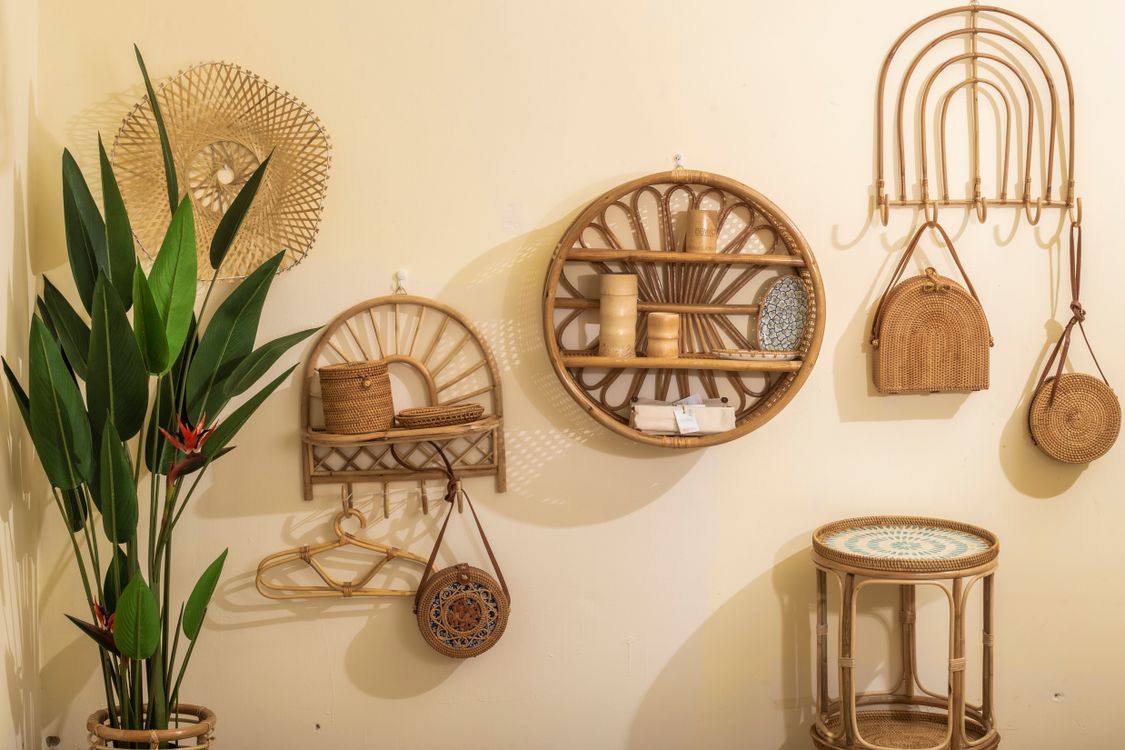
Shelving units: Bamboo open shelving is one of the most practical applications — strong enough for books and ceramics, and visually lighter than wood equivalents. Perfect for a home office or living room display.
Coffee tables: A low bamboo coffee table with a tempered glass top combines the natural aesthetic of bamboo with the practicality of a scratch-resistant surface.
Bed frames: Platform bed frames in compressed bamboo are an excellent choice — they pair beautifully with natural linen bedding and have enough strength to support a quality mattress without creaking.
How to Care for Bamboo Furniture
Bamboo furniture is low-maintenance but does benefit from some basic care. Wipe spills immediately with a dry cloth. Avoid placing bamboo in direct, prolonged sunlight as UV exposure can fade and dry out the surface. Every 6–12 months, a light application of bamboo oil or food-grade mineral oil keeps the surface conditioned and resistant to moisture.
Keep bamboo away from heating vents and radiators — the dry heat can cause cracking. In very humid climates, a room with good ventilation and moderate air conditioning helps bamboo furniture last significantly longer.
If you’re looking for furniture that is beautiful, sustainable, and genuinely versatile, bamboo deserves serious consideration in 2026. The key, as always, is buying quality — look for well-engineered pieces from transparent manufacturers, and this natural material will reward you for years.